
Fire Science Certificate at CSN: 12 Weeks to 1 Year
The Fire Science/Fire-fighting Certificate, 12 weeks to less than 1 year In-person at College of Southern Nevada, offers fast, hands-on training for entry-level fire service careers.

By Irene Ellis
Firefighting is one of the few careers where a short, focused certificate can open the door to a professional role with real responsibility. The Fire Science/Fire-fighting Certificate, 12 weeks to less than 1 year In-person at College of Southern Nevada, is built for people who want hands-on training without committing to a multi-year degree. If you are weighing a fast entry into emergency services against the cost and time of a traditional program, this certificate deserves a close look. This guide walks through what the program covers, who it suits, how to apply, and what to expect from the job market in and around Las Vegas.
What the Fire Science/Fire-fighting Certificate Covers
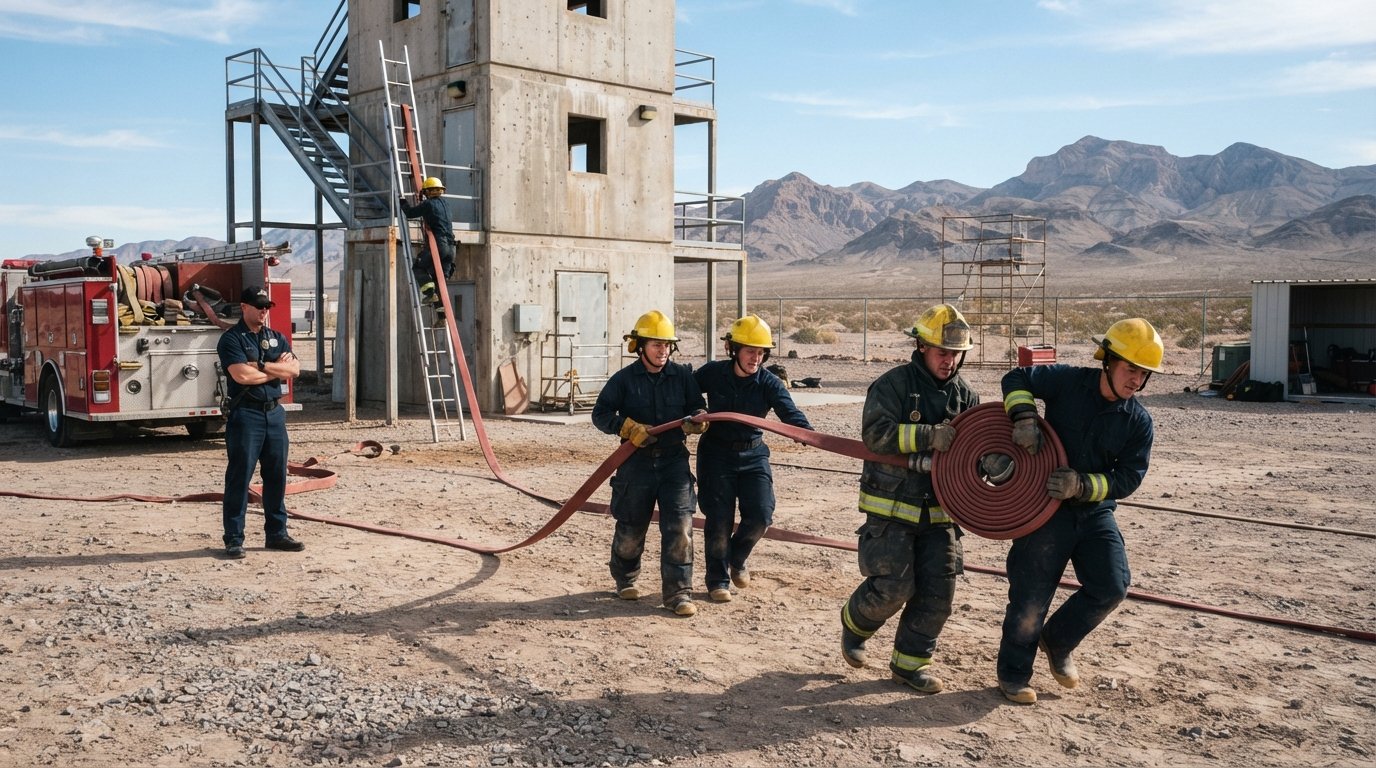
The certificate is designed to combine fire science theory with practical fire-fighting skills. Coursework typically moves from foundational topics like fire behavior and building construction to operational skills such as hose handling, ladder work, ventilation, and rescue techniques. Because the program runs in person, students spend substantial time in drills and scenario training rather than only reading about them. That hands-on component matters: fire agencies want recruits who have already handled equipment under pressure and understand command structure on a scene.
A typical certificate sequence includes fire protection systems, emergency medical basics, hazardous materials awareness, and physical fitness preparation. Some courses align with professional certification standards, which can help graduates meet hiring prerequisites for municipal and county fire departments. The exact course list and credit hours should be confirmed with the College of Southern Nevada before you enroll, since requirements can shift between catalog years.
One practical advantage of a short program is that it lets you test your interest before investing years of tuition. If you complete the certificate and decide to continue, many of the credits can often be applied toward an associate degree in fire science. That pathway gives you a low-risk first step with a clear option to build on later through programs you can compare on platforms like CheapOnlineEducation, which helps students browse sponsored degree and certificate options.
Who Should Consider This In-Person Certificate
The program fits several distinct groups. Recent high school graduates who want a direct route into public safety often choose a certificate because it delivers job-ready skills quickly. Career changers from trades, military service, or emergency medical roles find the compressed timeline attractive because they can retrain without pausing income for years. Adult learners returning to education after a long gap also benefit from the structured, cohort-style format that in-person training naturally provides.
It is equally important to recognize who may not be a good fit. If your goal is a four-year fire administration or fire engineering career, a certificate alone will not satisfy that path. If you need fully online flexibility, this program is not the answer because the keyword itself specifies in-person delivery at the College of Southern Nevada. Students with significant scheduling conflicts should speak with an advisor about evening or weekend cohorts before assuming the program will fit.
The physical demands are real. Firefighting requires lifting, climbing, and sustained exertion in heat and confined spaces. Many programs include a fitness assessment or encourage preparation beforehand. Prospective students should honestly evaluate their current fitness level and plan a conditioning routine in the months before classes begin. Departments increasingly emphasize wellness and injury prevention, so arriving prepared also signals professionalism during later hiring processes.
How the 12-Week to Under-One-Year Timeline Works
The phrase 12 weeks to less than 1 year reflects the range of schedules the College of Southern Nevada may offer. An accelerated cohort could compress core courses into a single semester of roughly 12 to 16 weeks, while a standard schedule spreads requirements across two semesters and finishes in under a year. The right choice depends on how much time you can dedicate each week and whether you need to work while enrolled.
Accelerated formats move quickly and demand strong attendance. Missing a lab session can be difficult to make up because equipment and instructor time are limited. Standard schedules offer more breathing room but extend the period before you can apply for jobs. A useful decision framework looks like this:
- Confirm the exact course sequence and total credits with an academic advisor.
- Map class times against your work and family obligations for the full term.
- Estimate weekly study and physical training hours beyond scheduled class time.
- Ask about cohort start dates and whether waitlists are common for lab sections.
- Plan financing and any required equipment purchases before the add deadline.
After working through those steps, most students know whether the fast track or the standard track is realistic. Advisors can also flag prerequisites such as placement tests or CPR certification that could delay a start date if left to the last minute.
Admissions, Costs, and Financial Considerations
Admission to a certificate program is generally less competitive than admission to a degree program, but it is not automatic. Expect to provide proof of high school completion or equivalent, complete placement requirements, and possibly attend an orientation session. Some fire programs also require a physical examination or a background check before lab participation. International students should contact the college early because in-person enrollment carries additional visa and residency requirements.
Costs include per-credit tuition, lab fees, uniforms, boots, and personal protective equipment. Firefighting gear is not cheap, so build a realistic budget that covers both tuition and equipment. Financial aid may be available for eligible certificate students, and workforce development grants sometimes target public safety training. The college financial aid office is the authoritative source for current figures; any cost mentioned in an article should be verified directly before you plan.
To keep total costs manageable, consider buying required gear through the college bookstore or approved vendors rather than retail outlets, and ask whether used equipment in good condition is permitted. Scholarships from local fire associations and civic organizations are worth researching. A short certificate already reduces total tuition compared with a degree, and modest additional savings on equipment can make the program accessible for students on tight budgets.
Skills You Will Build and How They Are Assessed
Graduates leave with a mix of technical and soft skills. On the technical side, students learn fire stream application, forcible entry, search and rescue, and scene size-up. On the professional side, they practice communication under stress, teamwork, and adherence to safety protocols. Instructors typically assess performance through practical skills exams, written tests, and scenario evaluations that simulate real incidents.
The in-person format is central to this skill development. Live burns, drill towers, and apparatus work cannot be replicated online, and employers value candidates who have already experienced the physical reality of the job. Students should treat every drill as a hiring audition: instructors often write recommendations, and local departments may ask about a candidate's conduct during training.
Beyond the certificate, students can strengthen their resumes by adding emergency medical technician training, wildland fire certifications, or volunteer experience with a local fire corps. These additions are not required to finish the certificate, but they improve competitiveness when openings are limited. The College of Southern Nevada may offer related courses that stack toward these credentials.
Career Outcomes and the Las Vegas Job Market
Firefighting employment depends on hiring cycles, retirements, and local budgets, so no certificate can guarantee a job. What the certificate can do is satisfy many entry-level education requirements and demonstrate commitment during interviews. Graduates commonly pursue municipal fire departments, county fire districts, airport fire services, industrial fire brigades, and emergency response roles at resorts and large facilities, all of which are significant employers in the Las Vegas area.
Hiring processes usually include written exams, physical ability tests, interviews, background checks, and medical evaluations. Candidates who have completed a formal fire science program often move through these steps with more confidence because they have already practiced the physical tasks and understand department culture. Some agencies also give preference points for completed coursework or certifications, though policies vary and should be confirmed with each department.
Career changers should plan for a competitive application cycle. Strengthening your candidacy with volunteer experience, strong fitness scores, and clean driving and criminal records matters as much as the certificate itself. For students comparing training paths, a related guide on short in-person certificate programs shows how other fields structure compressed training, which can help you judge whether the fire certificate timeline fits your situation.
Preparing for Success Before Day One
Preparation starts well before orientation. Build a weekly fitness routine that includes cardiovascular work, strength training, and stair or hill intervals. Review basic math and reading comprehension if you have been out of school for a while, since written exams appear throughout the program. Arrange childcare, transportation, and work schedules so that attendance is not threatened during the first weeks, when habits form.
Students should also connect with the college's academic advising and career services early. Advisors can confirm which courses run each term, explain transfer options to an associate degree, and point to tutoring or study groups. Career services may help with resume formatting and interview practice, which is valuable when department hiring windows open unexpectedly.
Finally, treat the certificate as the beginning of a professional network. Instructors, classmates, and guest speakers from local departments are part of your future referral network. Stay in touch, attend open houses, and follow hiring announcements. The Fire Science/Fire-fighting Certificate, 12 weeks to less than 1 year In-person at College of Southern Nevada, provides a structured, fast, and practical foundation, but the effort you put into preparation and networking determines how far that foundation takes you.